MANADO, 2 February 2026 – To modernize traditional agricultural practices, the Family Farming Collaboration Workshop was successfully held today, bringing together 60 stakeholders to formalize a more resilient and data-driven future for local agriculture.
The event, hosted at a designated partner site, convened a diverse group including local farmers, representatives from farming families, and the facilitation team from the ACIAR UNSRAT partnership. The workshop aimed to address critical gaps in current farm management by focusing on two essential pillars: systematic record-keeping and advanced Integrated Pest Management (IPM).
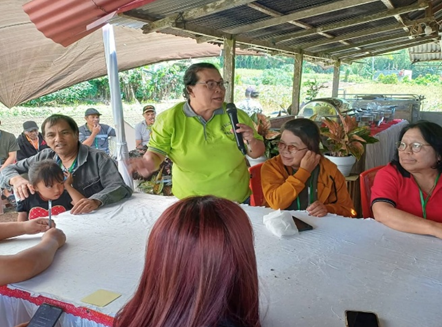
Strengthening Economic Independence
A primary focus of the session was the transition toward disciplined financial administration. Through participatory modules, farmers were trained in the meticulous documentation of:
- Input Costs: Tracking expenses for seeds, fertilizers, and equipment.
- Labor Allocation: Quantifying time and effort to understand true production costs.
- Harvest Yields: Using data to measure success and plan for future seasons.
“The goal is to provide farming families with the tools they need for true economic independence,” a representative from the facilitation team stated. “By treating the farm as a structured business, these families can better navigate market fluctuations.”
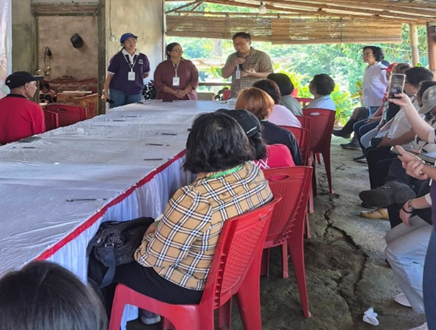
Science-Backed Pest Control
The workshop also delivered high-impact technical strategies for pest and disease management. Unlike generic agricultural advice, the recommendations shared were strategically developed based on baseline survey data collected on 12 January.
This evidence-based approach ensures that the pest control strategies are contextually relevant, providing farmers with solutions that offer high efficacy in their specific field conditions.
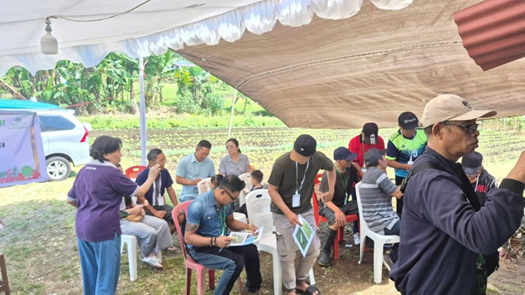
A Collaborative Future
The event concluded with a collaborative plenary session, where participants moved beyond theory to practical application. Farming families worked together to formulate collective action plans, ensuring that farm governance becomes more inclusive and measurable across the community.
By the end of the day, the workshop successfully established a new foundation for sustainable management. The shift from traditional “intuition-based” farming toward a structured, data-driven model marks a significant milestone in the region’s agricultural resilience.