Bali, March 31, 2026 – As part of ongoing efforts to enhance postharvest handling and meet industry standards, the Ag4Tourism initiative under ACIAR in collaboration with Udayana University has successfully implemented a practical precooling intervention for lettuce across selected sites in Bali.
The activity, conducted from March 24 to March 31, 2026, focused on improving the quality and shelf life of lettuce to better align with the requirements of the HORECA (Hotel, Restaurant, Café) sector.
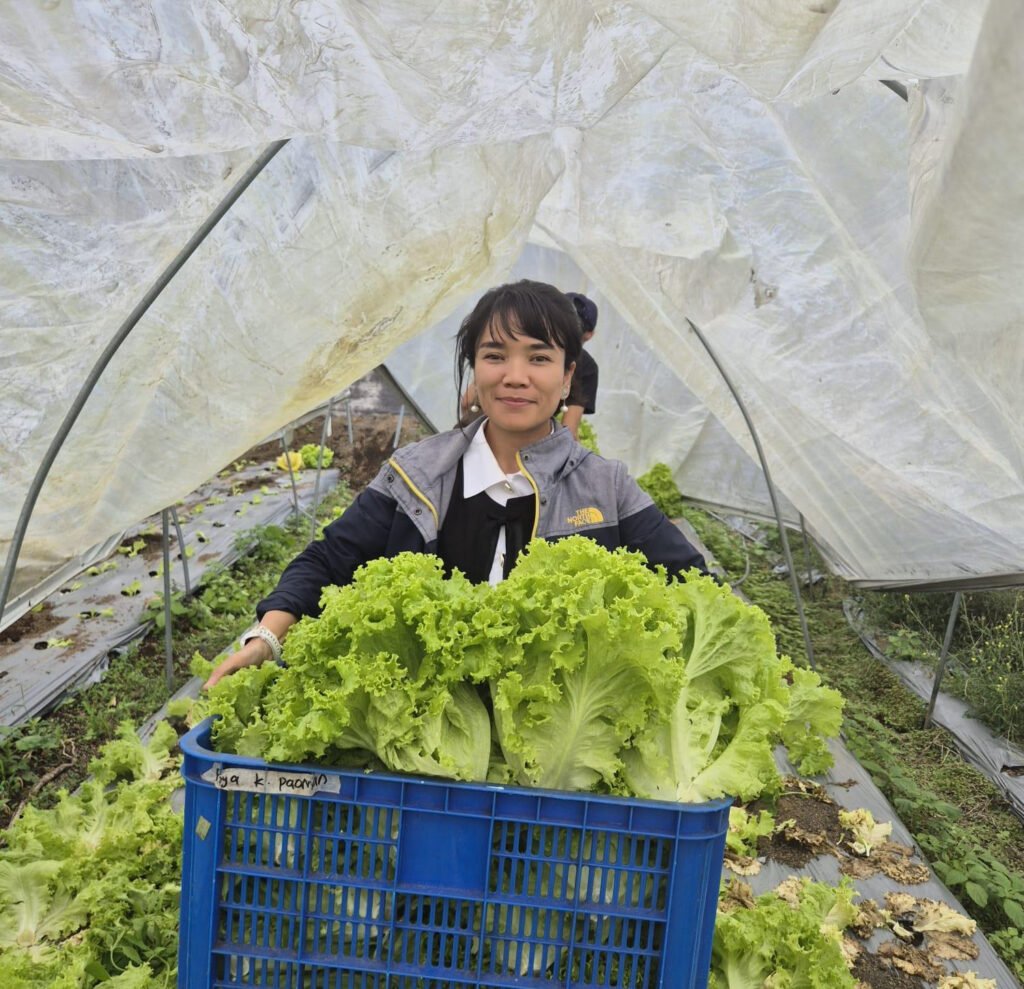
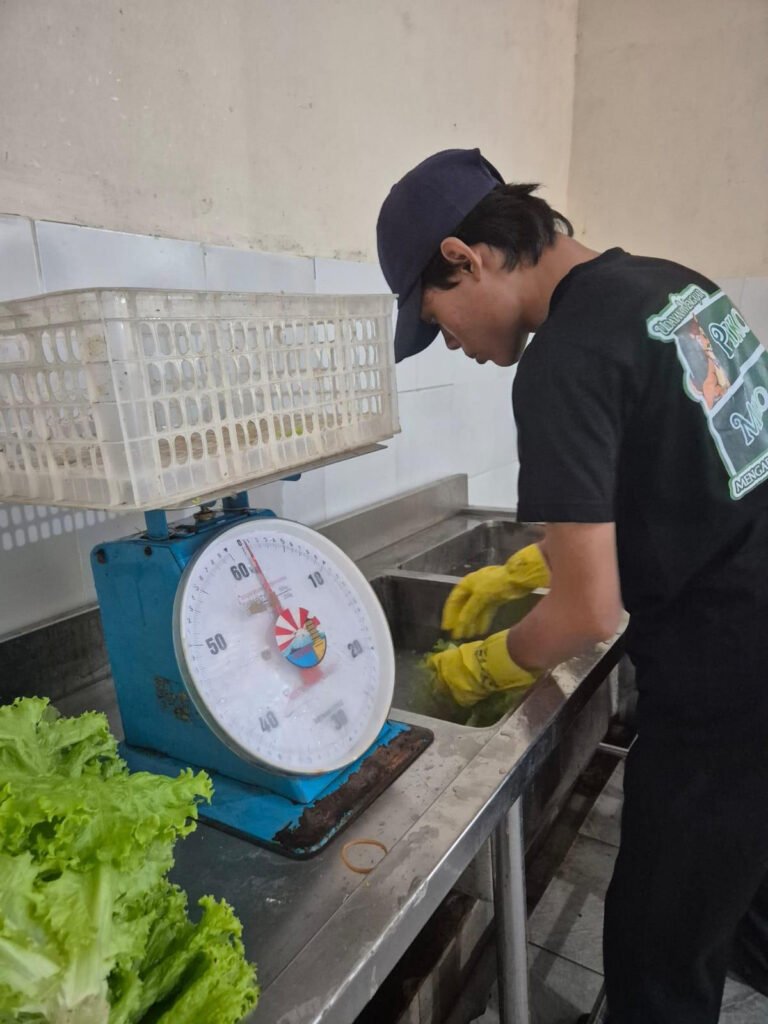
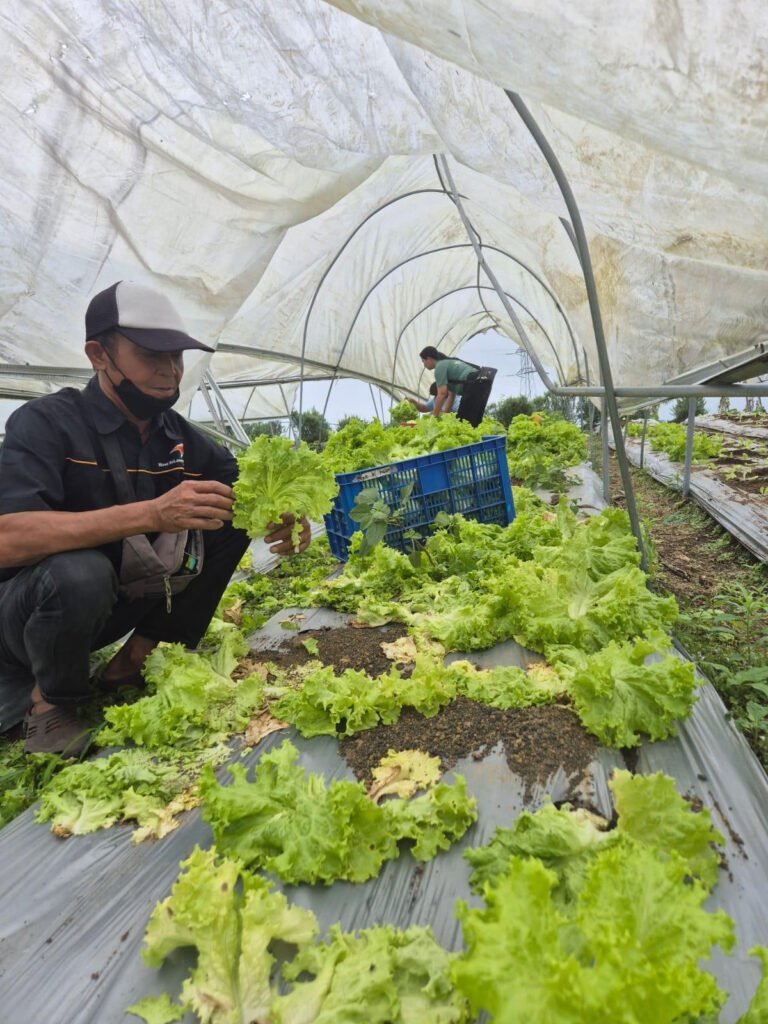
The intervention began at the farm level, where freshly harvested lettuce was carefully handled and packed into crates to minimize physical damage. The produce was then transported to a packinghouse for further processing, including washing and sanitation using chlorinated water (Veg K12) with a controlled dosage to ensure effective microbial reduction.
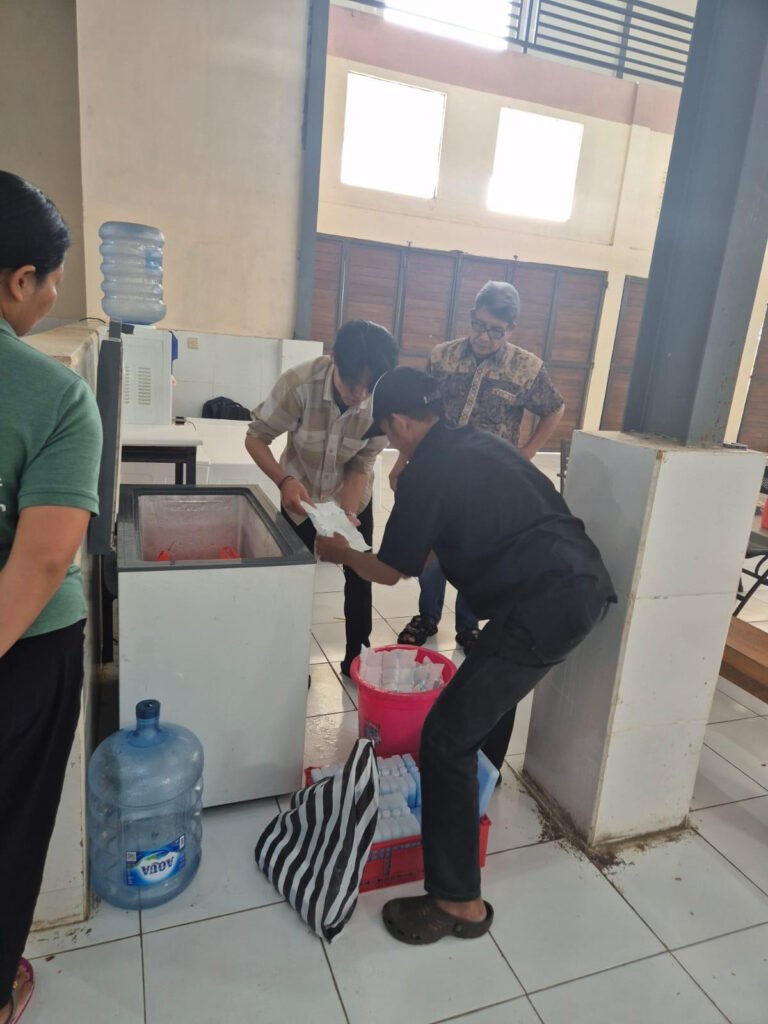
Following sorting and weighing, the lettuce was packed in plastic liners and placed into Styrofoam boxes filled with ice to facilitate rapid precooling. This low-cost yet effective method helped reduce field heat and maintain low temperatures during storage and transportation.
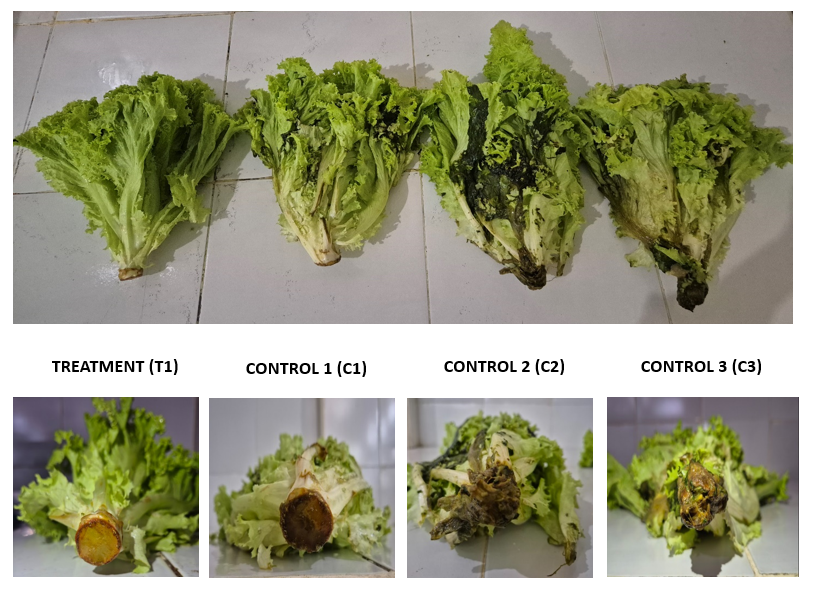
The results showed a significant improvement in product quality. Lettuce treated with the precooling method retained better freshness, crispness, and visual appearance over time. In contrast, lettuce that did not undergo precooling experienced faster wilting and deterioration.
This intervention highlights the importance of integrating proper sanitation practices with simple cooling technologies. By adopting these methods, smallholder farmers can significantly extend shelf life, reduce postharvest losses, and improve their ability to meet consistent quality standards demanded by Bali’s HORECA industry.
Supporting Sustainable Supply Chains
The success of this intervention demonstrates that practical and affordable innovations can play a key role in strengthening the agricultural supply chain. It also reinforces the importance of bridging the gap between farmers and market requirements, particularly in high-demand sectors such as hospitality and tourism.
Through initiatives like this, Ag4Tourism continues to support the development of a more efficient, sustainable, and inclusive agribusiness ecosystem in Bali.